
CauseLabs Resources
Lessons & insights from our journey for positive impact.

AI Memory Operating Principles
News outlets recently announced that private Claude AI conversations were showing up in Google and Bing search results. The title was definitely clickbait because...
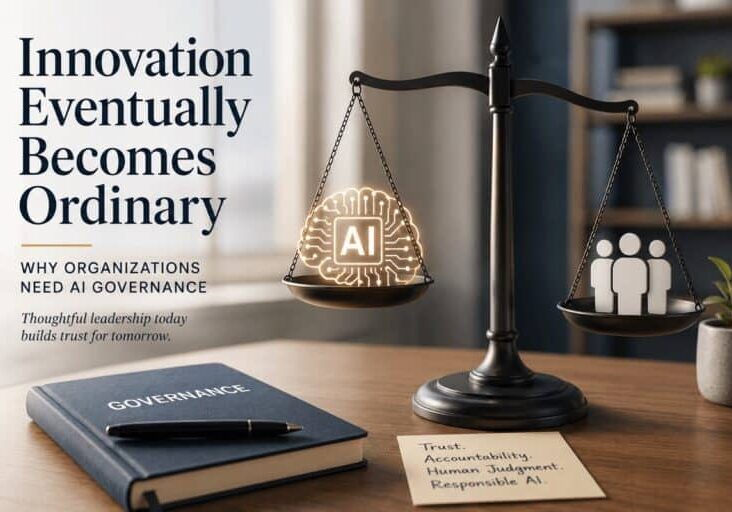
Innovation Eventually Becomes Ordinary: Why Organizations Need AI Governance
I don't answer my phone anymore unless I recognize the number. I have a separate email address for shopping and another one for websites...
Digital Simplification: Why Smart Businesses Are Reducing Complexity Instead of Adding More Technology
Digital simplification is becoming a priority for businesses overwhelmed by years of software purchases, integrations, and process complexity. They want to learn how to...

AI Newsworthy: Colorado’s New AI Law Is Bigger Than Colorado
Update May 14, 2026: Governor Jared Polis signed SB 26-189 into law. This is the date it officially became law. Update May 9, 2026:...

2026 Supported Browsers Guide for Websites
Which browsers does your websites need to support? The supported browsers list below includes our recommendations based on available web data. It also mirrors...

Why AI Speeds Up Information But Human Trust Still Takes Time
Artificial intelligence is accelerating almost everything. Research. Marketing Content. Customer support. Design. Video production. Software development. Even decision support. Tasks that once required days...
How AI Search Determines Brand Visibility
AI search is changing how we reference and discover information online. Instead of simply listing links like traditional search engines, AI systems increasingly interpret...

Are Billboards Back for Brand Awareness?
For years marketing shifted toward precision targeting rather than broad brand awareness. Track the click. Measure the conversion. Optimize the funnel. That model made...

The Creative Shift: Now Everyone Can Make High-Quality Ads
AI music and video generation have lowered the barrier to producing professional content. A small business taking advantage of this creative shift can now...

Opportunities for UX Design When AI Handles Function
For decades digital design lived under the constraints of development. Function came first and designers spent most of their time solving usability problems, layout...

Is AI Search Changing Human Behavior?
For most of the internet’s life, we were trained to search for information. Type keywords. Scan results. Open a handful of tabs. AI search...

Build Accessible Color Palettes
At CauseLabs, we know accessible design shouldn’t be a guessing game. For years designers have relied on contrast checkers that tell you whether a...

How do you design websites for a global audience?
At CauseLabs our approach to designing for a global audience begins with listening. Language and culture shape how people interpret content on a page....

Instructional Guide: How to Build a Custom ChatGPT
There are many reasons organizations might want to build a custom ChatGPT. One reason we built our own GPT was to define personas and...
Houston, We Have a Data Collection Problem
Data is the lifeblood of modern businesses, driving decisions, enhancing customer experiences, and informing strategic planning. However, effective data collection poses significant challenges for...

Websites Aren’t Dead; They’re Now Smart Websites
It’s easy to assume that websites are becoming obsolete, especially with the rise of social media platforms and mobile apps. However, the reality is...