
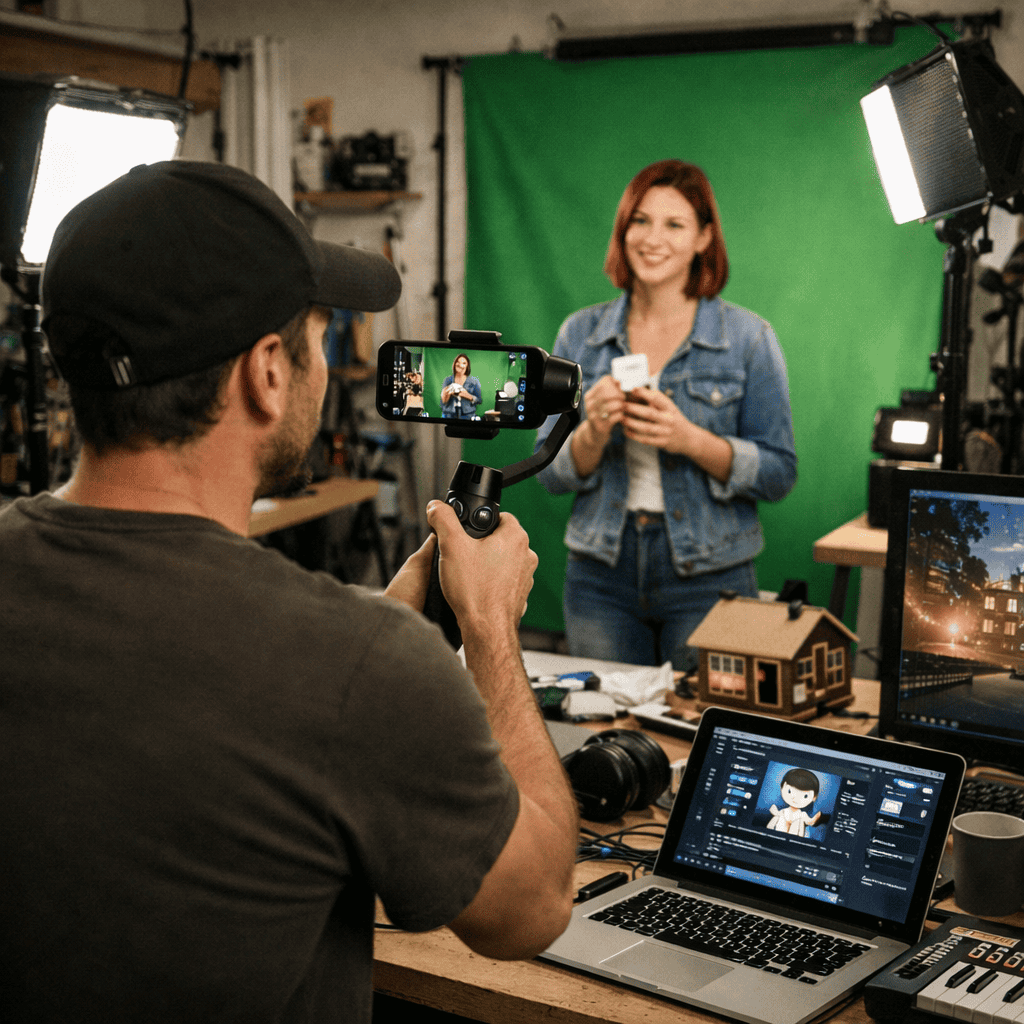
AI music and video generation have lowered the barrier to producing professional content. A small business taking advantage of this creative shift can now generate voiceovers, music, animation, and video scenes in minutes. What once required studios, agencies, and large budgets is now accessible to almost anyone.
The result is obvious. We’re going to see far more ads and commercials.
But that raises a deeper question. If everyone can produce advertising, what happens to the attention of the audience?
The General View: Democratized Creativity
Many analysts see AI media tools as a positive shift. Creative production is becoming more accessible. Small businesses, nonprofits, and individual creators can produce content that previously required large teams, subject matter expertise, and expensive tools.
Adobe’s “Creative Trends Report” found that the majority of creative leaders believe generative AI will help them become more creative, largely by removing production barriers. (Source: Adobe Creative Trends Report 2026)
From this perspective, AI expands participation in media creation. More voices can publish ideas, stories, and campaigns. That is a meaningful cultural shift.
The Concern: Content Saturation
The opposing view focuses on content at scale. If AI dramatically increases the volume of content, audiences may face overwhelming noise. Marketing messages already compete for attention across social media, streaming platforms, email, and websites.
Research shows the average person encounters thousands of advertisements per day across media channels. (A fun report: Guess how many ads you see daily and where ads get the most traction.)
AI tools lowering the barrier to production will accelerate this saturation. When content creation becomes cheap and easy, the supply of promotional content expands quickly.
However, our attention does not expand in the same way.
Will Sales Fatigue Change Who We Trust?
This is where I think behavior shifts. When audiences feel overwhelmed by sales messaging, they adapt and they filter aggressively.
Instead of gravitating toward overt advertising, people increasingly trust sources that entertain or educate.
We already see this pattern in the rise of:
- creator led media
- educational YouTube channels
- podcasts and documentaries
- informative newsletters
These formats build credibility first. Selling comes later, if at all.
In other words, the most trusted voices often do not sound like advertisements. They sound like teachers, storytellers, or entertainers.
This Creative Shift May Amplify Education and Entertainment
Ironically, AI could strengthen this trend towards education and entertainment rather than weaken it. If commercial style content becomes easy to generate, audiences will become even more skilled at ignoring it.
That means brands that rely only on polished promotional content may struggle to break through. Brands that succeed will likely focus on:
- meaningful insight
- storytelling
- authentic expertise
- educational value
AI becomes a production tool. Trust still comes from human perspective and credibility.
Three Practical Actions for Organizations
1. Shift From Advertising to Value Creation
Instead of focusing only on promotional messaging, create content that teaches something useful or tells a meaningful story. Education and entertainment build attention in a crowded media landscape.
2. Use AI as a Production Tool, Not the Message
AI music and video tools can reduce production costs and speed up experimentation. But the strategy behind the content still matters far more than the tool used to produce it.
3. Build a Digital Presence That Demonstrates Expertise
When audiences discover your brand through content, your website becomes the place where trust is reinforced. Clear messaging, thoughtful design, and credible insights help convert attention into lasting relationships.
Opportunities During This Creative Shift
Work with CauseLabs to explore how strategic design and digital ecosystems support trust online.
AI is making it easier than ever to create a high quality commercial. But the real question is not whether we can produce more advertising. It is whether audiences will keep listening.
Our suspicion is that in a world flooded with sales messages, people will increasingly seek out those who teach them something, help them think, or simply make them smile.