

At CauseLabs, we know accessible design shouldn’t be a guessing game. For years designers have relied on contrast checkers that tell you whether a color combination passes or fails accessibility standards (like WCAG’s 4.5:1 contrast ratio for text) because roughly 2.2 billion people experience some type of visual impairment. Our owner, Michael Gillihan, got tired […]
CauseLabs Resources
Lessons & insights from our journey for positive impact.

How do you design websites for a global audience?
At CauseLabs our approach to designing for a global audience begins with listening. Language and culture shape how people interpret content on a page. We study regional behaviors, accessibility needs, and emotional cues before we sketch a layout. We build flexible content systems that support translation, right to left reading, local idioms, and imagery that […]

Finding Alignment
As a company whose success (staying in business) relies on revenue, there is a tension between profitability and mission. We can’t achieve our mission if we can’t succeed as a business. However, we do not want to succeed solely through profits and charitable giving.

The Fourth Industrial Revolution
Technology has the power to transform our world on a scale that is unprecedented. How might we, as social good organizations, learn, adapt, and benefit from these shifts?
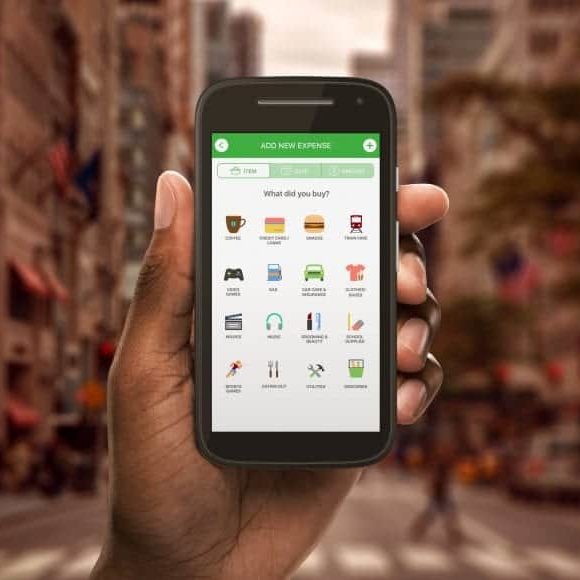
MyPath & CauseLabs Collaborate on High-Touch, High-Tech Programming to Improve Financial Literacy
We’re collaborating with MyPath, a national nonprofit based in San Francisco, CA, to continue delivering financial products for low-income individuals. Backed by a sponsorship from JPMorgan Chase, we’ve joined forces to uncover the next iteration of MyPath Money, both on the Savings and Credit programs.

Doing Good Business, A New World Wide Web
When the success of a business relies on more than just passion, how do we hold true to our values and why we started our business?
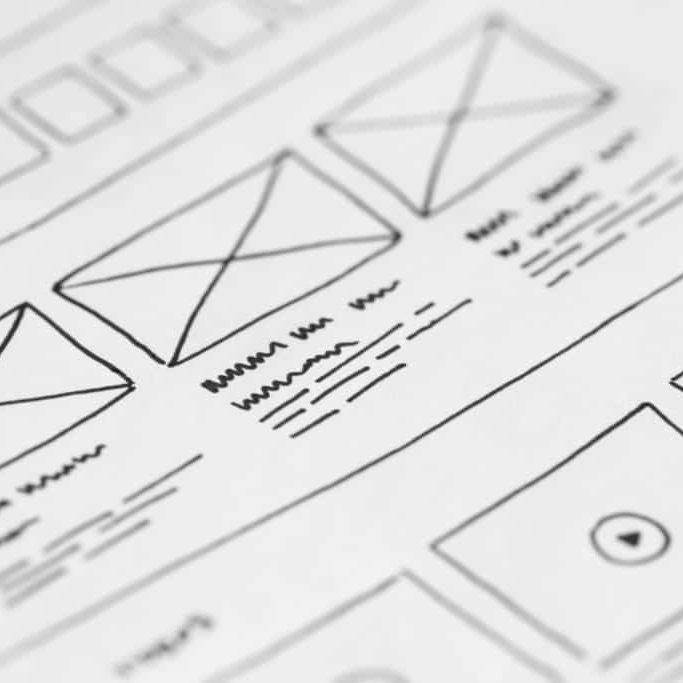
The Power of Clickable Prototypes
A clickable prototype links multiple screens together via hotspots that are interacted with via click or tap. The result is a testable, easy-to-update solution to a design problem that users can experience.

Advanced REST API Design
In our previous post, we covered the basics of designing a REST API: defining endpoints, using HTTP verbs and performing common read-write operations on data. In this chapter, we’re going to introduce some advanced use and edge cases you may want to consider in order to give your REST API a sound and long-lasting design.