

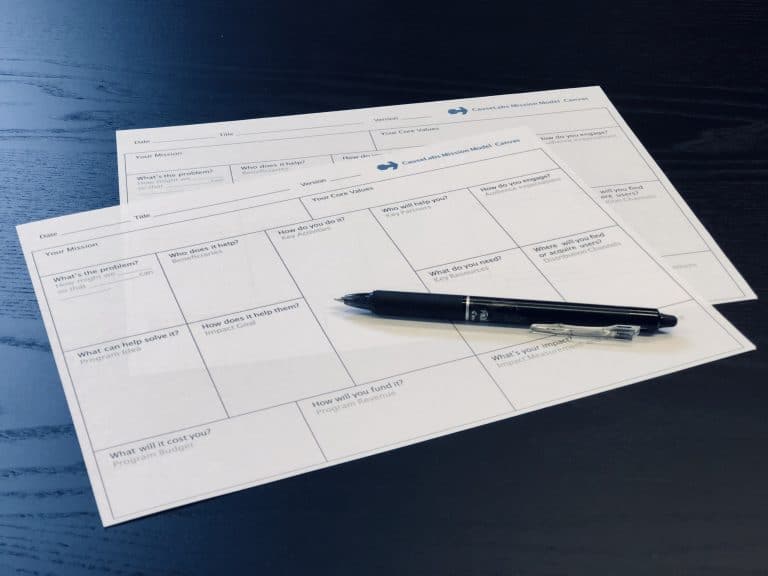
Welcome to part two of our 5 part guide to the Mission Model Canvas worksheet. In part one, we gave an overview of the first three sections: (1) Start with a mission, (2) Have 3-5 core values, and (3) Define the problem your solution is aiming to solve. In this article, we will walk through […]
Technology
Delve into the latest trends and best practices in technology that enhance operations for nonprofit organizations and small businesses. This category covers everything from web development and UX design to innovative digital strategies and tools crucial for success in the digital landscape.

Intro | Working with the Mission Model Canvas
In this article, we’ll explore a few more pieces of the CauseLabs Mission Model Canvas to help you fill out your own worksheet. New to the Mission Model Canvas? Read more about it and how it can help you grow positive impact here. We’ll help guide the considerations for each section, but we won’t go into […]
Growing Positive Impact with the Mission Model Canvas
Think of the Mission Model Canvas as your business plan cheat sheet. This worksheet helps you to focus your ideas and validate outcomes early and efficiently.

Financial Empathy — The Promise of FinTech
Many of the factors that determine our social labels and future success are placed upon us at birth. Uncontrollable and at times unfortunate, what can we do to forge new paths for realizing every person’s potential? That is a question that drives our social sector, our development goals, and our philanthropy. The answer is complex […]

Building trust between users and technology
Fostering trust with your users can be a battle, but the rewards you’ll get are worth the fight.
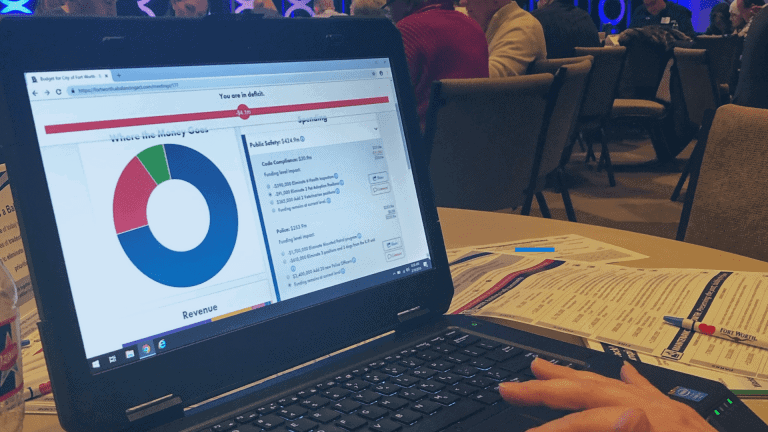
Balancing Act Demo Puts Fort Worth Budget into the Hands of Neighborhood Leaders
60 attendees participated in the workshop demo where they were tasked with balancing a hypothetical deficit of $4.2 million with a few challenging fiscal options thrown in.
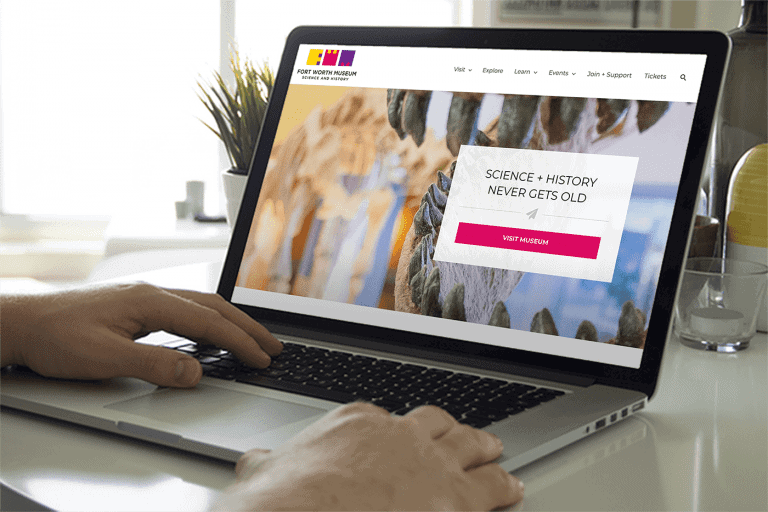
Migrating, Updating & Securing a Local Museum Website
One evening in late May I got a phone call from our friends at the museum. It’s always alarming to load your website and realize you’ve been hacked. Regardless of the size or nature of the breach, you feel vulnerable.

WordPress 5.0 and What You Need to Know
WordPress is introducing a new way of managing content. The enhanced content editor, named Gutenberg, will become the foundation for customizing and building websites on WordPress.

The Fourth Industrial Revolution
Technology has the power to transform our world on a scale that is unprecedented. How might we, as social good organizations, learn, adapt, and benefit from these shifts?

MyPath & CauseLabs Collaborate on High-Touch, High-Tech Programming to Improve Financial Literacy
We’re collaborating with MyPath, a national nonprofit based in San Francisco, CA, to continue delivering financial products for low-income individuals. Backed by a sponsorship from JPMorgan Chase, we’ve joined forces to uncover the next iteration of MyPath Money, both on the Savings and Credit programs.
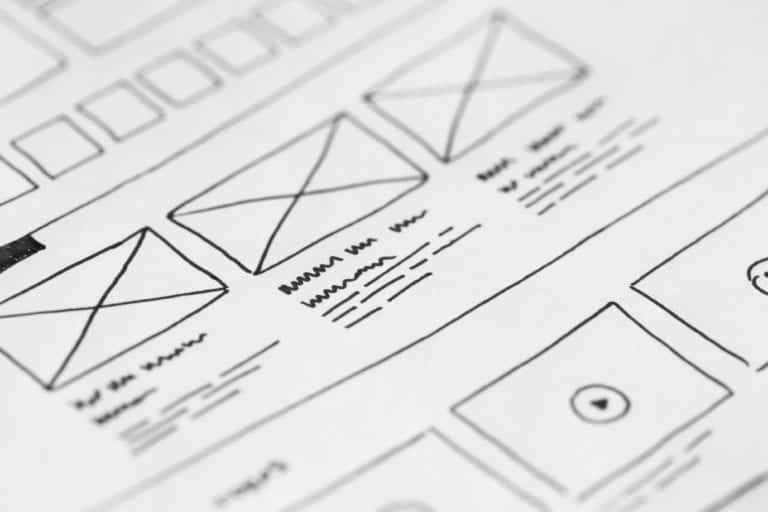
The Power of Clickable Prototypes
A clickable prototype links multiple screens together via hotspots that are interacted with via click or tap. The result is a testable, easy-to-update solution to a design problem that users can experience.

Advanced REST API Design
In our previous post, we covered the basics of designing a REST API: defining endpoints, using HTTP verbs and performing common read-write operations on data. In this chapter, we’re going to introduce some advanced use and edge cases you may want to consider in order to give your REST API a sound and long-lasting design.